The state of personalised communication has evolved dramatically. What started as simple email merge tags has transformed into sophisticated, AI-driven experiences across every customer touchpoint. As we move through 2026, the state of personalised communication shows that marketers are leveraging advanced technologies to deliver hyper-personalized experiences at scale. Here’s where personalised communication stands today and what’s driving the transformation.
AI-Powered Omnichannel Personalization
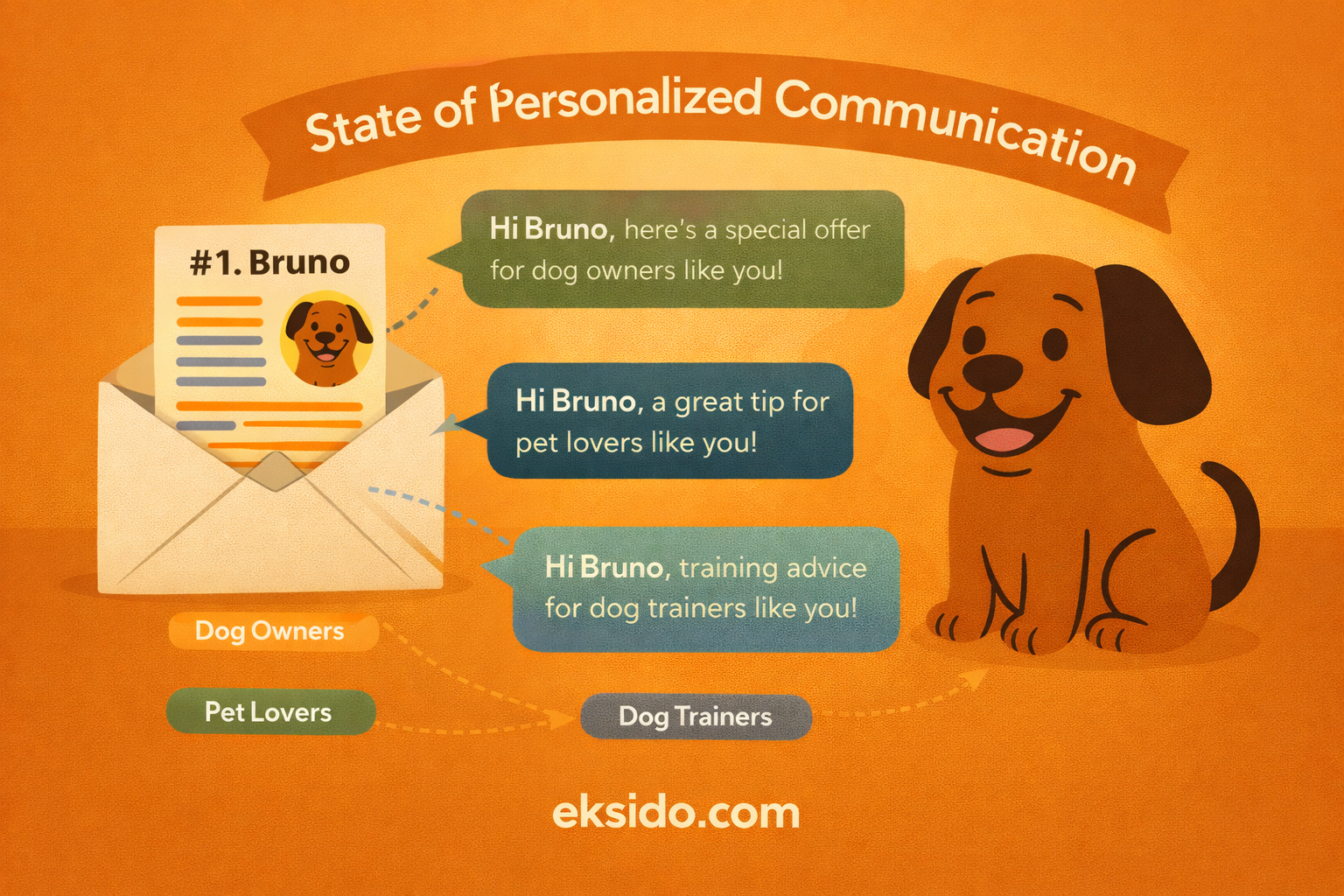
Email remains a cornerstone of personalized communication, but its role has matured significantly. Today’s marketers use AI to analyze behavioral patterns, predict customer intent, and dynamically generate content in real-time. Personalization now extends far beyond using a customer’s first name—sophisticated algorithms determine optimal send times, subject lines, product recommendations, and even email length based on individual engagement patterns.
Modern email personalization leverages first-party data combined with predictive analytics to create truly individualized experiences. The focus has shifted from demographic segmentation to behavioral and intent-based personalization, with marketers utilizing customer lifetime value predictions, purchase propensity scoring, and real-time contextual triggers to deliver messages that resonate on a personal level.
Web Experiences: From Visitors to Individuals
Web personalization has finally realized its potential. Advances in machine learning and real-time data processing enable websites to adapt instantly to each visitor. Dynamic content blocks adjust based on referral source, previous interactions, device type, geographic location, and behavioral signals—all processed in milliseconds.
Progressive profiling and zero-party data collection allow websites to build rich customer profiles over time without feeling intrusive. Smart recommendation engines power product suggestions, content curation, and navigation paths tailored to individual preferences. The result: more engaging experiences that drive higher conversion rates and increased customer satisfaction.
Privacy-first personalization has become the standard, with transparent data practices and cookie-less tracking solutions gaining adoption. Marketers are finding creative ways to deliver personalized experiences while respecting user privacy and complying with evolving regulations.
Beyond Digital: Personalization Everywhere
Social media personalization has evolved beyond targeted ads. Brands now create personalized content journeys across platforms, using AI to match content format, messaging, and timing to individual preferences. Interactive experiences, personalized video content, and one-to-one social engagement at scale have become standard practice.
Mobile apps lead in personalization sophistication, leveraging device data, location services, and app behavior to create seamless, contextually relevant experiences. Push notifications are highly targeted, in-app content adapts in real-time, and app interfaces can be customized to individual user preferences.
Physical retail is bridging the digital-physical divide through connected experiences. Store associates access unified customer profiles, digital touchpoints in stores deliver personalized recommendations, and IoT devices enable seamless transitions between online and offline interactions. The store experience itself adapts based on customer preferences and purchase history.
The Technology Enabling the Transformation
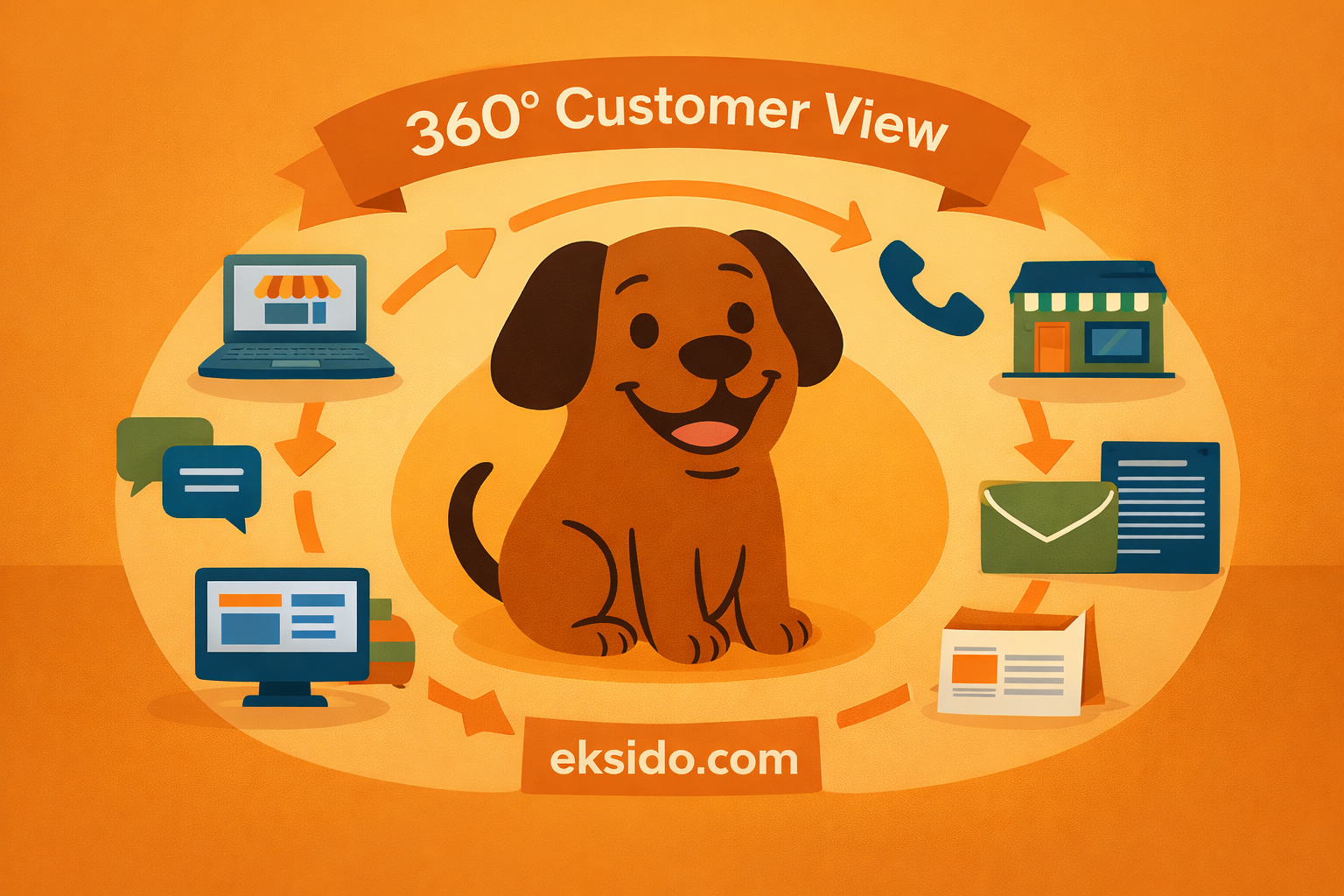
Customer Data Platforms (CDPs) have become the foundation of modern personalization strategies, creating unified customer views from disparate data sources. Real-time data processing enables instant personalization, while AI and machine learning power predictive analytics and automated optimization.
Generative AI is revolutionizing content creation, enabling brands to produce personalized content variations at unprecedented scale. Natural language processing allows for sophisticated customer sentiment analysis and intent prediction, informing personalization strategies across channels.
Challenges and Opportunities
Despite technological advances, challenges persist. Data quality and integration remain ongoing concerns, requiring continuous investment in data governance. Balancing personalization with privacy is increasingly complex as regulations evolve globally. The skills gap in data science and marketing technology continues to widen, making talent acquisition critical.
Organizations must avoid “creepy” personalization—there’s a fine line between helpful and intrusive. Transparency in data usage and clear value exchange with customers builds trust and sustainable personalization programs.
Looking Ahead
Personalization is no longer optional—it’s expected. As we progress through 2026, the sophistication and ubiquity of personalized experiences will only increase. Success requires the right technology stack, quality data infrastructure, skilled teams, and a customer-centric culture that prioritizes privacy and value exchange.
The future belongs to organizations that can deliver seamless, personalized experiences across all touchpoints while maintaining customer trust. Those that master this balance will see increased engagement, higher conversion rates, improved customer satisfaction, and ultimately, stronger long-term customer relationships and business growth.